Race Day Fuel Plan
Build a complete race-day plan in seconds. Combine carbs, water and sodium into one ready-to-pack strategy — from your ride duration, intensity, temperature and body weight — as gels, real food or precision bottle mixes. Want just one half? Try the nutrition calculator or the hydration calculator.
🎯 Ride Parameters
Suitable for most athletes in races over 2h
Sustained effort, group ride pace
Look for white marks on skin or kit after a ride — that's a sign of salty sweat.
ACSM recommendation: no performance impact
📊 Requirements
—
g of carbs
—
sodium lost (Na)
—
potassium lost (K)
via sweat — mainly from food
—
L of water
🍽️ Nutrition Plan
🚰 Bottles & Hydration
2 × 750 ml
None
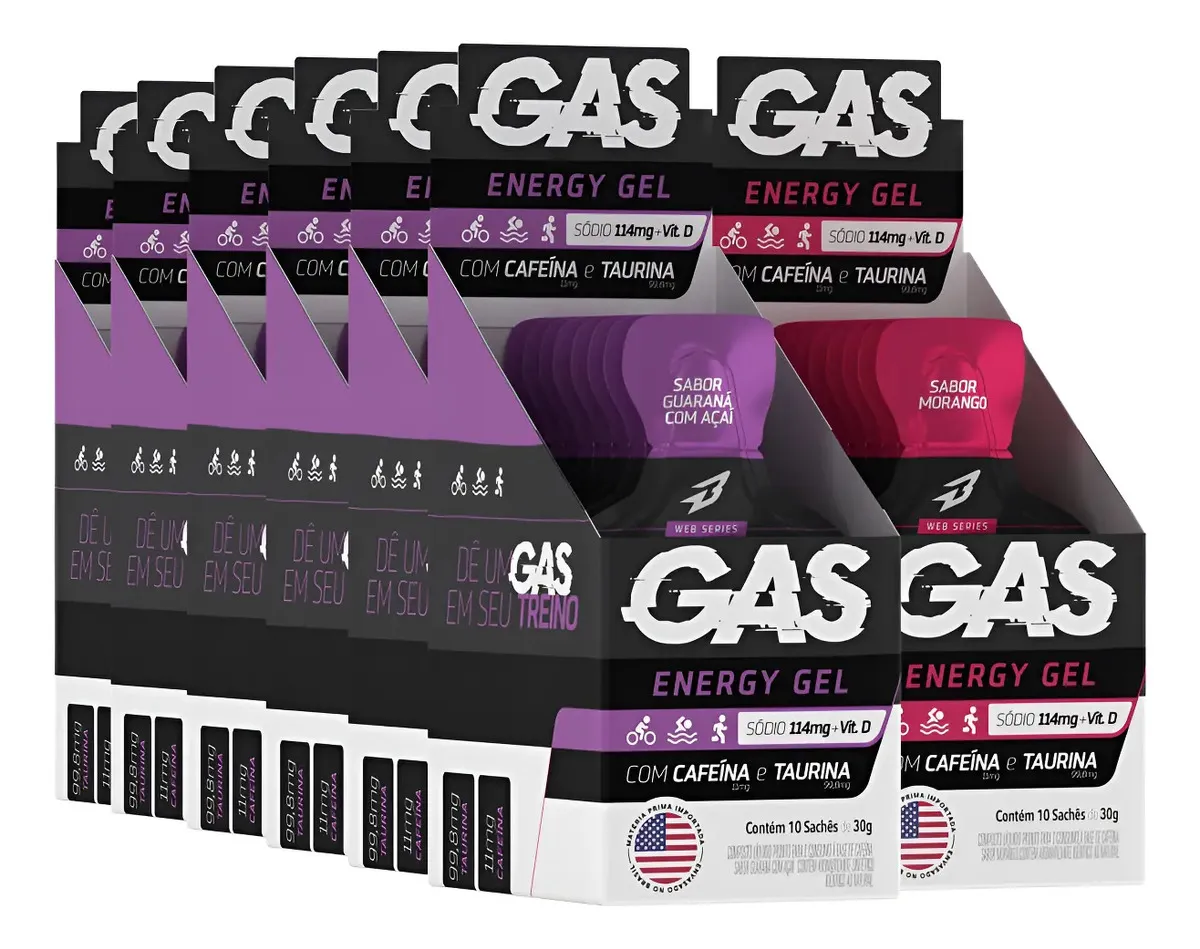
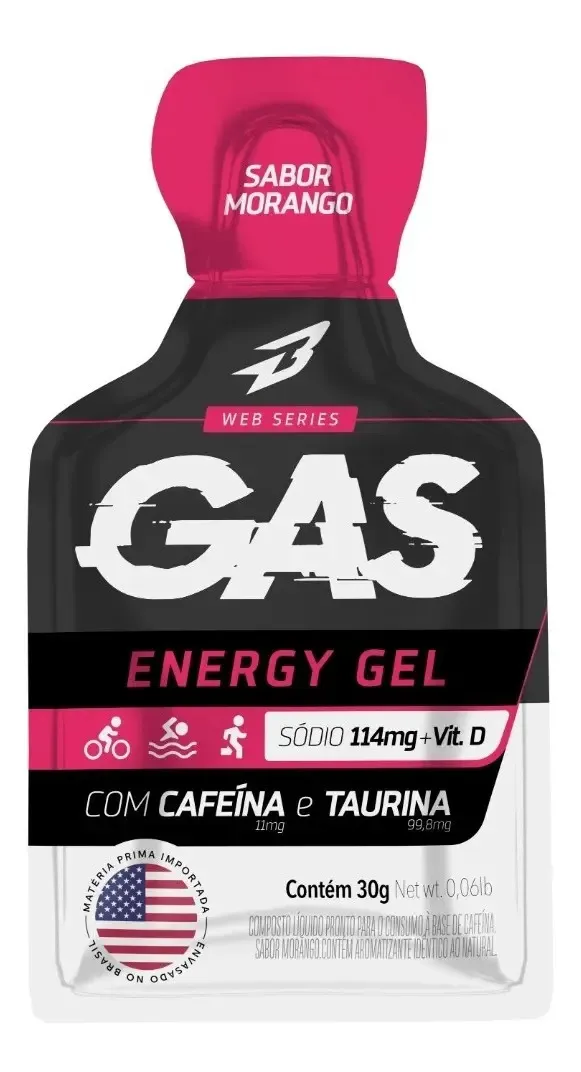
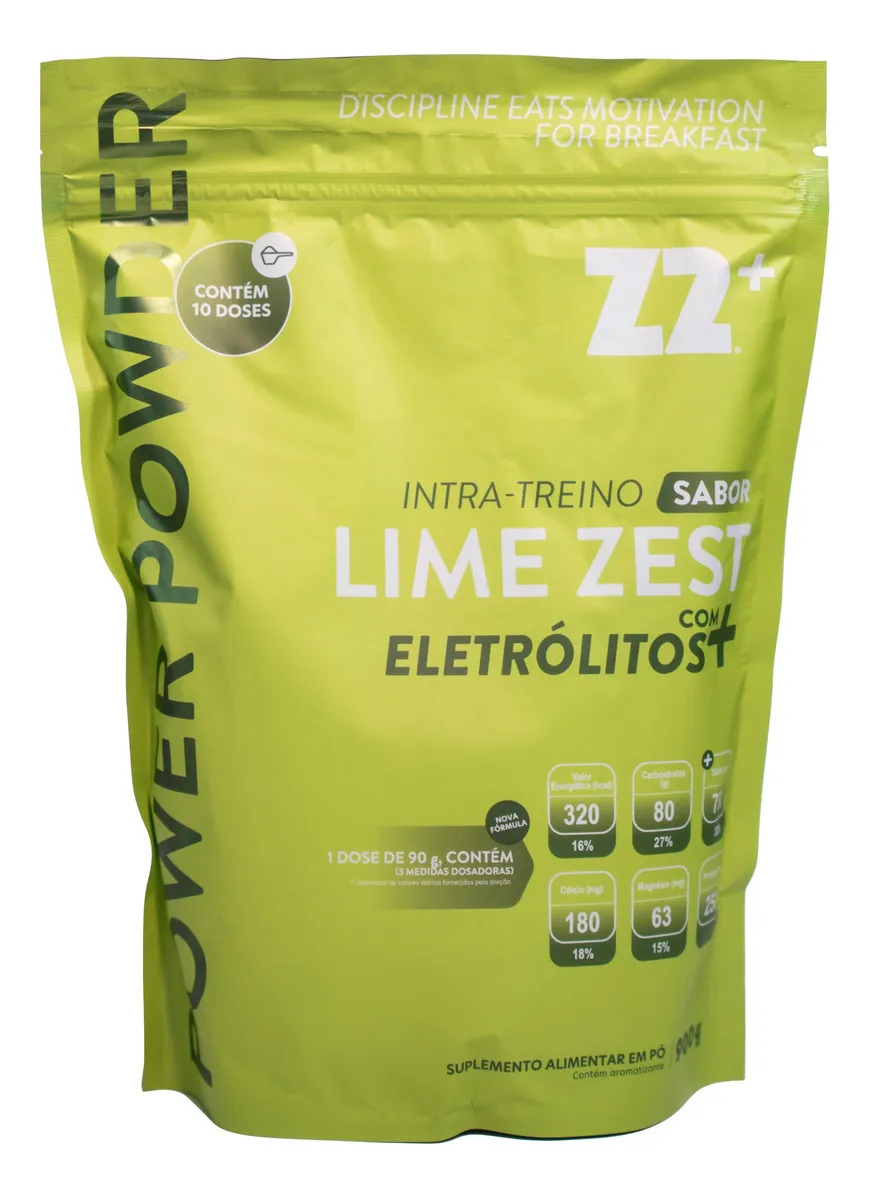
Fuel & hydration gear
 >
>
/
 >
>
Frequently Asked Questions — Race Day Fuel Plan
How many carbs should I eat per hour while cycling?
▾
Carbohydrate needs are driven by power output and intensity. The carb fraction of total fuel rises sharply with intensity — from ~20% at easy effort to nearly 100% at race pace (~30 g/h at 100 W up to ~190 g/h at 250 W). The gut can typically absorb ~60 g/h from a single carb source, or ~90 g/h with a glucose+fructose mix (SGLT1 + GLUT5 dual transporters). At high power your burn rate exceeds absorption — the deficit can be managed, not eliminated. See the dedicated nutrition calculator for carb-only planning.
How much water should I drink while cycling?
▾
Sweat rate ranges from roughly 0.4–0.6 L/h in cool, easy conditions to 1.5–1.8 L/h in hot weather at high intensity. Drink enough to avoid losing more than 2% of your body weight in fluid. Aim for 700–1000 mL per hour and adjust to your sweat rate. The hydration calculator models this in detail.
How much sodium do I need when cycling?
▾
Sodium is the primary electrolyte lost in sweat, but individual sweat sodium concentration varies widely — from roughly 200 to 1,500 mg per litre. The ACSM recommends 500–700 mg/hour as a starting point. Longer duration, higher intensity, hot weather and salty sweat (white residue on kit) all raise sodium needs.
What is the optimal glucose-to-fructose ratio for cycling?
▾
There is no single optimal ratio — it depends on grams per hour. SGLT1 absorbs glucose (and maltodextrin); GLUT5 absorbs fructose. Up to ~60 g/h, glucose alone saturates SGLT1 and no fructose is needed. Above that, adding fructose opens the second transporter, raising oxidation by up to 50%. Keep glucose at 60–70 g/h, then add fructose to reach your target. Gut adaptation is required above 90 g/h.
How much sodium is in sodium bicarbonate?
▾
Sodium bicarbonate (NaHCO₃, baking soda) is 27.4% sodium by mass: molar mass 84 g/mol, of which sodium is 23 g/mol (23 ÷ 84 = 0.274). So every 1 g delivers ~274 mg of sodium. A typical pre-race load of 0.3 g/kg (≈21 g for a 70 kg rider) contains ~5,750 mg sodium on paper — but bicarb is taken as a buffering agent, not a hydration electrolyte; the GI load means most athletes excrete it rather than retaining it for fluid balance. For comparison: table salt ~393 mg Na/g, sodium citrate ~267 mg Na/g.
What does a sodium bicarbonate pre-load do, and how do I take it?
▾
Sodium bicarbonate is a blood buffer: it raises plasma bicarbonate, helping neutralise the hydrogen ions that accumulate during hard efforts and delaying fatigue in high-intensity work (~1–10 min bouts repeated through a race). Common protocol: 0.3 g/kg body weight, split into doses with food and water starting ~90 min before the effort. The plan schedules 3 × ~0.1 g/kg every 30 min for shorter, intense races. GI tolerance varies a lot — trial it in training first; enteric-coated forms reduce stomach upset.
Why dissolve carbs in your bottles — what is isotonic vs hypotonic?
▾
Osmolality (mOsm/kg) is the concentration of dissolved particles in your drink — it controls how fast the drink leaves the stomach and is absorbed. The galático bottle recipe reports this value so you can tune it. Ranges:
- Hypotonic (<275 mOsm) — empties fastest; best when fluid replacement is the priority (hot weather, high sweat rate).
- Isotonic (275–310 mOsm) — matches blood concentration; balances fluid and carb delivery.
- Mild hypertonic (310–400 mOsm) — generally well tolerated by most athletes.
- Hypertonic (400–600 mOsm) — where adverse effects begin; slowed gastric emptying and GI distress risk increase.
- Very hypertonic (>600 mOsm) — likely to cause GI distress.
These are heuristics — there are no hard cut-off points. Individual tolerance varies significantly.
Maltodextrin is a long polymer, so it contributes far fewer dissolved particles per gram than glucose or fructose — the key lever for keeping osmolality low while hitting high carb targets.
Why should I avoid hypertonic mixtures?
▾
Highly concentrated drinks slow gastric emptying and increase the risk of GI distress — bloating, cramps, nausea — especially during hard exercise or when already dehydrated. The fix isn't less carbohydrate: split your intake so the bottle stays hypotonic or isotonic for drinking, and take the extra carbs as gels or chews washed down with plain water. Very concentrated mixes may be tolerable in cold conditions at low sweat rates, but individual tolerance varies significantly.
Can high drink concentration cause GI problems?
▾
Highly concentrated carbohydrate drinks can slow gastric emptying and increase the risk of GI discomfort, especially during hard exercise or when dehydration is significant. A 2022 meta-analysis by Rowlands et al. (Sports Medicine) found that hypotonic drinks provide the greatest hydration benefit during continuous exercise — improving plasma volume retention better than isotonic or hypertonic alternatives. For athletes prioritizing hydration in hot conditions, lower-concentration drinks are often easier to tolerate. If higher carbohydrate intake is needed, separating fuel (gels, chews, concentrated bottles) from hydration (water or electrolyte drink) can be an effective strategy, provided adequate fluid is consumed alongside the carbohydrates.
Should I take a new supplement on race day?
▾
No — nothing new on race day. The single most important rule in race nutrition: every gel, drink mix, electrolyte, caffeine dose and especially the sodium bicarbonate load must be tested in training first. New products on race day risk GI distress, cramping, an unexpected dose response or a flavour you can't stomach mid-effort — bicarb is a notorious gut-upsetter. Rehearse your full plan (carbs/h, fluid, sodium, timing) in long training rides that mimic race intensity and heat, so race day only repeats what your gut already tolerates.