Cycling Nutrition Calculator
Plan your ride fuelling in seconds. Estimate how many carbs per hour you need from your ride duration, intensity and body weight — then get a practical, ready-to-pack fuel plan built from gels, real food or precision bottle mixes. Need fluid and sodium numbers too? Use the hydration calculator or the combined race-day fuel plan.
🎯 Ride Parameters
Suitable for most athletes in races over 2h
Sustained effort, group ride pace
🍽️ Nutrition Plan
Nutrition gear
Nutrition →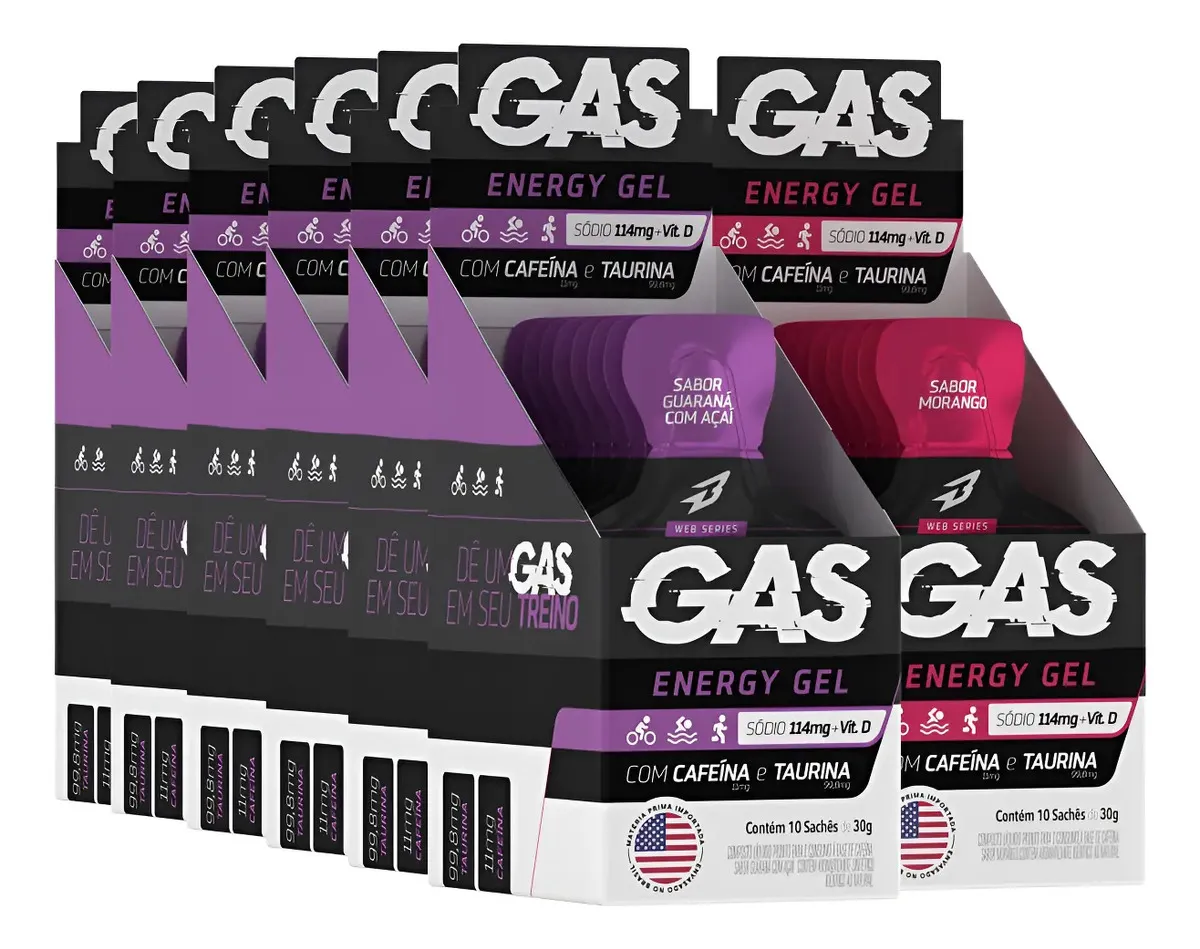 >
>
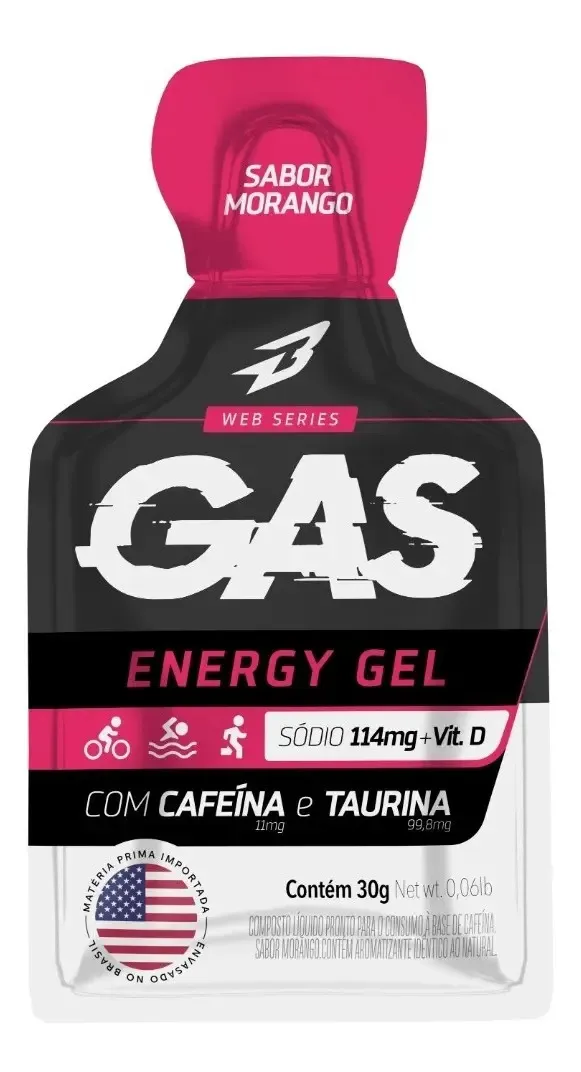
/
Frequently Asked Questions — Cycling Nutrition & Fuelling
How many carbs should I eat per hour while cycling?
▾
Carbohydrate needs are driven by power output, intensity and power output. Your body burns ~1 g of carb per 4 kcal of carb energy used, and the carb fraction of total fuel rises sharply with intensity — from ~20% at easy effort to nearly 100% at race pace:
- 100 W (easy spin): ~30 g/h carb burn
- 150 W (endurance pace): ~70 g/h
- 200 W (tempo): ~120 g/h
- 250 W (threshold): ~190 g/h
What is glycogen and how much do cyclists store?
▾
Glycogen is the storage form of glucose in muscles and the liver. A typical trained cyclist stores 300–600 g of glycogen (1200–2400 kcal). Muscle glycogen fuels working muscles directly; liver glycogen maintains blood glucose for the brain. At race pace, these stores can be fully depleted in 60–90 minutes without exogenous carbohydrate intake.
What happens if you don't eat on a long bike ride?
▾
If you don't fuel consistently, your glycogen stores deplete and you bonk (hit the wall) — a sudden and severe performance collapse caused by complete glycogen depletion. Unlike normal fatigue, it comes on rapidly: legs stop responding, thinking becomes foggy, and maintaining even an easy pace feels impossible. Without carbohydrate intake, most cyclists reach this point within 90–120 minutes at moderate-to-high intensity. It is entirely preventable by fueling from the start, before hunger sets in.
What should I eat on a 3-hour bike ride?
▾
The right amount depends on power output, not duration. Fat carries most of the load at easy pace (~100–150 W), where carb burn is only 30–70 g/hr. At tempo or threshold (200–250 W), carb burn rises to 120–190 g/hr — well above gut absorption capacity. Individual gut tolerance, heat, and habitual training with carbs all shift the numbers further.
Performance riders should fuel at the gut's ceiling: 60 g/hr from a single carb source, up to 90 g/hr with a glucose+fructose mix (dual SGLT1+GLUT5 transport). Start eating in the first 20–30 minutes — before hunger appears. Casual and recreational riders at lower outputs burn 30–50 g/hr: real food, café stops, and relaxed timing work fine — targeting 90 g/hr at easy pace causes GI distress with no benefit.
Performance riders should fuel at the gut's ceiling: 60 g/hr from a single carb source, up to 90 g/hr with a glucose+fructose mix (dual SGLT1+GLUT5 transport). Start eating in the first 20–30 minutes — before hunger appears. Casual and recreational riders at lower outputs burn 30–50 g/hr: real food, café stops, and relaxed timing work fine — targeting 90 g/hr at easy pace causes GI distress with no benefit.
Should I eat before or during a bike ride?
▾
Pre-ride nutrition depends on your goal. Performance riders should eat a carbohydrate-rich meal 2–3 hours before to top up glycogen stores — for multi-day events or stage racing, deliberate carb-loading in the days prior is standard practice. Casual and recreational riders have much more flexibility; a light snack beforehand is sufficient.
Whether to fuel during the ride depends on intensity and duration. At high intensity, glycogen depletes fast — start eating within the first 20–30 minutes regardless of pre-ride intake. At easy pace, the urgency is lower and real food with relaxed timing works fine. For any ride beyond 90 minutes at meaningful effort, in-ride fueling is non-negotiable.
Whether to fuel during the ride depends on intensity and duration. At high intensity, glycogen depletes fast — start eating within the first 20–30 minutes regardless of pre-ride intake. At easy pace, the urgency is lower and real food with relaxed timing works fine. For any ride beyond 90 minutes at meaningful effort, in-ride fueling is non-negotiable.
What is the optimal glucose-to-fructose ratio for cycling?
▾
There is no single optimal ratio — the right ratio depends entirely on how many grams per hour you are consuming. The intestine has two separate carbohydrate transporters: SGLT1 absorbs glucose (and glucose-releasing sources like maltodextrin), while GLUT5 absorbs fructose. At intakes up to ~60 g/h, glucose alone saturates SGLT1 and no fructose is needed. Above that ceiling, adding fructose opens the second transporter, raising total oxidation rates by up to 50% compared with glucose alone.
- 80 g/h: ~60 g glucose + 20 g fructose (3:1 ratio)
- 90 g/h: ~60 g glucose + 30 g fructose (2:1 ratio) — practical ceiling for most athletes
- 100 g/h: ~60 g glucose + 40 g fructose (3:2 ratio)
What do the Peba, Bruto and Galático modes mean?
▾
The three modes take their names from a viral Brazilian cycling meme that ranks athletes, gear and approaches on a three-tier scale: Peba (basic/budget), Bruto (raw and powerful), and Galático (elite, otherworldly).
🐢 Peba — designed for casual riders who fuel with whatever is at the aid station: Gatorade, banana, Coca-Cola, paçoca. Duration is capped at 6 hours and carbs at 60 g/h (the single-transporter limit).
🐴 Bruto — for athletes who train with gels and packaged sports nutrition. Extends duration to 16 hours and carbs to 120 g/h (dual-transporter glucose + fructose).
👽 Galático — the max-performance tier. Takes your FTP and target % FTP as inputs, adds a glycogen depletion chart, and builds a precision plan using maltodextrin and fructose dissolved directly in your bottles.
🐢 Peba — designed for casual riders who fuel with whatever is at the aid station: Gatorade, banana, Coca-Cola, paçoca. Duration is capped at 6 hours and carbs at 60 g/h (the single-transporter limit).
🐴 Bruto — for athletes who train with gels and packaged sports nutrition. Extends duration to 16 hours and carbs to 120 g/h (dual-transporter glucose + fructose).
👽 Galático — the max-performance tier. Takes your FTP and target % FTP as inputs, adds a glycogen depletion chart, and builds a precision plan using maltodextrin and fructose dissolved directly in your bottles.