Cycling Hydration Calculator
Estimate your sweat rate, how much water and how much sodium you need per hour from temperature, intensity and body weight — then get a practical bottle and electrolyte plan plus a water-depletion chart for any ride. Need carbs and a full fuelling plan? Use the nutrition calculator or the combined race-day fuel plan.
🎯 Ride Parameters
Sustained effort, group ride pace
Look for white marks on skin or kit after a ride — that's a sign of salty sweat.
ACSM recommendation: no performance impact
📊 Requirements
—
sodium lost (Na)
—
potassium lost (K)
via sweat — mainly from food
—
L of water
🚰 Hydration Plan
🚰 Bottles & Hydration
2 × 750 ml
None
Hydration products highlights
Hydration →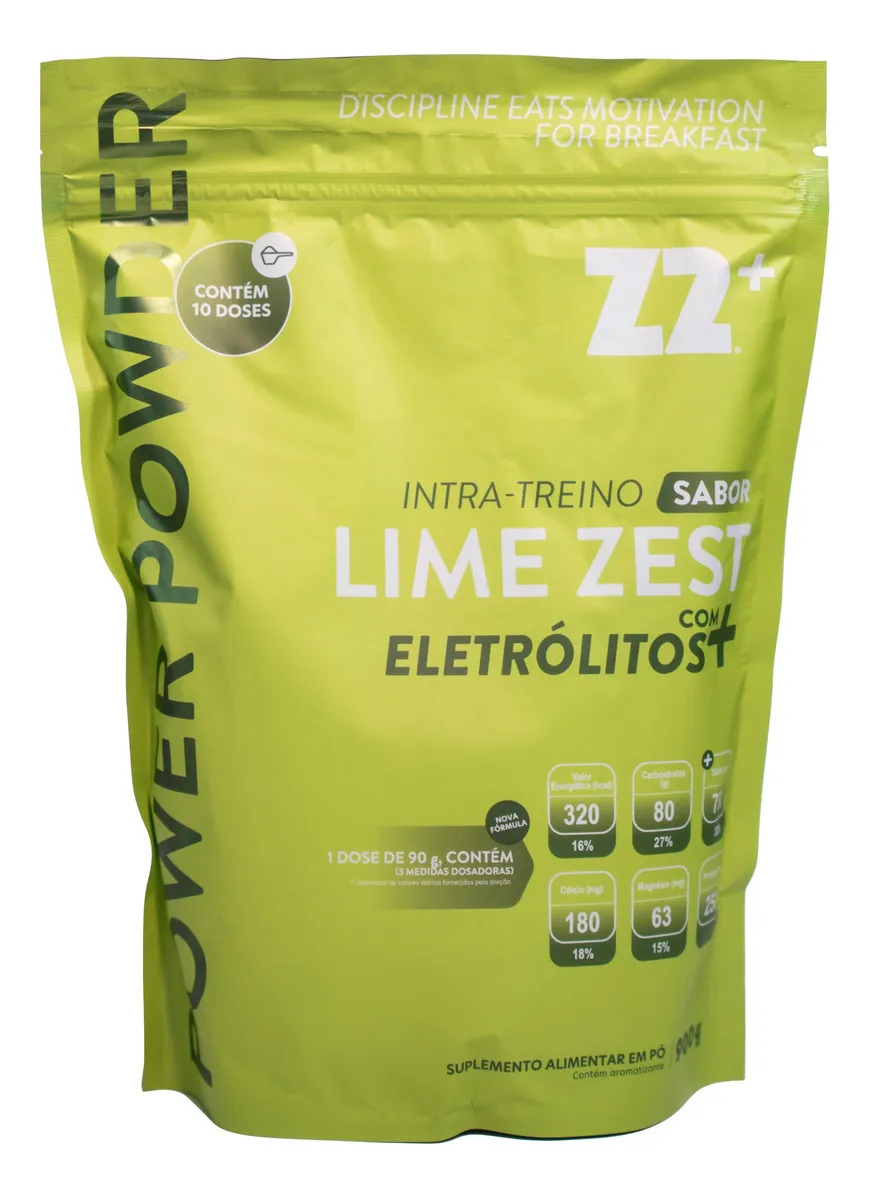 >
>
Frequently Asked Questions — Cycling Hydration & Electrolytes
How much water should I drink while cycling?
▾
Sweat rate ranges from roughly 0.4–0.6 L/h in cool, easy conditions to 1.5–1.8 L/h in hot weather at high intensity. A practical guideline: drink enough to avoid losing more than 2% of your body weight in fluid — performance measurably declines beyond this. For a 70 kg rider, that's a ~1.4 L ceiling. Aim for 700–1000 mL per hour as a starting point and adjust based on your sweat rate and effort level.
What are electrolytes and why do cyclists need them?
▾
Electrolytes are minerals that dissolve in body fluids and carry an electrical charge, enabling muscle contractions, nerve signalling, and fluid balance. The ones that matter most during cycling:
- Sodium (Na⁺) — the dominant sweat loss and the most critical to replace. Prevents hyponatremia and maintains fluid absorption. ACSM recommends 500–700 mg/h during prolonged exercise.
- Potassium (K⁺) — supports muscle and nerve repolarization and heart rhythm. ACSM target: 200–300 mg/h. Abundant in everyday foods (bananas, potatoes, yogurt).
- Magnesium (Mg²⁺) — involved in ATP energy release and muscle relaxation. Sweat losses are small; adequate daily dietary intake is the main lever.
- Calcium (Ca²⁺) — triggers muscle contractions; sweat losses per ride are minimal and not a specific in-ride concern.
Do I need to replenish electrolytes when cycling?
▾
For rides over 1 hour, electrolyte replenishment becomes a factor. Every time you sweat you lose sodium and potassium alongside water — and replacing fluid without replacing electrolytes lowers sodium levels, contributing to cramping, nausea, and confusion. Drinking plain water alone is not ideal — it further dilutes sodium concentration. If you plan to ride long, especially in hot weather, electrolyte replenishment is essential.
How do I stay hydrated when cycling in hot weather?
▾
Heat significantly increases sweat rate. Going from 15°C to 35°C adds roughly 0.5–0.7 L/h on top of the base rate — a 50–80% increase depending on intensity. This raises both fluid and sodium needs substantially. Carbohydrate requirements stay roughly the same, but high core temperature reduces gut motility and tolerance for solid foods, making liquids and gels preferable. Prioritize electrolytes and increase fluid intake gradually — but avoid drinking more than you sweat.
Can I drink too much water while cycling?
▾
Yes. Drinking excessive plain water during very long efforts (>4 hours) can dilute blood sodium to dangerously low levels — a condition called exercise-associated hyponatremia (EAH). Symptoms include nausea, headache, and confusion. To avoid it: match fluid intake to your sweat rate (don't drink more than you sweat), and always include sodium from electrolyte drinks, tabs, or salty food on long rides.
What are the side effects of too many or too few electrolytes?
▾
Too little (the realistic risk for cyclists):
- Sodium — hyponatremia: nausea, headache, confusion, and in severe cases seizures
- Potassium — muscle weakness, cramps, and heart rhythm irregularities
- Magnesium — muscle fatigue and cramps on long efforts
- Sodium (>2,300 mg/day habitually) — hypertension, fluid retention, kidney strain
- Potassium (>4,700 mg/day) — hyperkalemia: palpitations, arrhythmias, muscle weakness, GI distress
- Magnesium (>350 mg/day from supplements) — diarrhea, low blood pressure, nausea
- Calcium (>2,500 mg/day) — hypercalcemia: nausea, confusion, kidney stones
What causes cramps during cycling and how do I prevent them?
▾
The cause of exercise-associated muscle cramps (EAMC) is not fully settled. The popular explanation — dehydration and electrolyte loss — is not well-supported by experimental evidence; studies consistently find no significant difference in electrolyte levels or hydration status between athletes who cramp and those who don't. The leading current hypothesis is neuromuscular: fatigue disrupts the balance between excitatory and inhibitory signals to motor neurons, triggering involuntary sustained muscle firing. Going harder or longer than your fitness supports is the most reliable predictor of cramping.
Prevention follows from the cause: train specifically for the demands of your target ride, pace appropriately, and don't exceed your conditioning. Sodium and electrolyte replacement remain worthwhile — while likely not the primary driver, sodium depletion can lower the cramping threshold and replacing it carries no downside. If you cramp mid-ride, stretch the affected muscle and reduce intensity — there is no reliable instant fix.
Prevention follows from the cause: train specifically for the demands of your target ride, pace appropriately, and don't exceed your conditioning. Sodium and electrolyte replacement remain worthwhile — while likely not the primary driver, sodium depletion can lower the cramping threshold and replacing it carries no downside. If you cramp mid-ride, stretch the affected muscle and reduce intensity — there is no reliable instant fix.
How much sodium do I need when cycling?
▾
Sodium is the primary electrolyte lost in sweat, but individual sweat sodium concentration varies widely — from roughly 200 to 1,500 mg per litre — depending on genetics, fitness level, and heat acclimatization. This makes blanket recommendations imprecise. The ACSM recommends 500–700 mg/hour as a starting point for prolonged exercise.
Key factors that raise sodium needs: longer duration, higher intensity, hot weather, and being a naturally salty sweater — visible white residue on skin or kit after a ride is a reliable indicator. Practical sources: electrolyte tablets (200–500 mg per tab), sports drinks, or salty whole foods. If you ride long and sweat heavily, erring on the higher end of the range is sensible.
Key factors that raise sodium needs: longer duration, higher intensity, hot weather, and being a naturally salty sweater — visible white residue on skin or kit after a ride is a reliable indicator. Practical sources: electrolyte tablets (200–500 mg per tab), sports drinks, or salty whole foods. If you ride long and sweat heavily, erring on the higher end of the range is sensible.
What is osmolarity and does it matter for sports drinks?
▾
Osmolarity measures the concentration of dissolved particles in a fluid, expressed in milliosmoles per litre (mOsm/L). Blood sits at roughly 285–295 mOsm/L. Sports drinks are classified by how they compare to that reference:
- Hypotonic (<270 mOsm/L) — more dilute than blood. Empties from the stomach fastest and absorbs the quickest, best when hydration is the priority. Typically <4% carbohydrate (<40 g/L).
- Isotonic (270–330 mOsm/L) — matches blood concentration. Absorbed at a moderate rate and balances fluid with carbohydrate delivery. Standard sports drinks fall here at roughly 4–8% carbohydrate (40–80 g/L). Suitable for most training and racing.
- Hypertonic (>330 mOsm/L) — more concentrated than blood. Slows gastric emptying and can temporarily draw water from the gut wall. Gels, concentrated maltodextrin/fructose mixes, and cola are hypertonic and must always be followed by plain water.
Is it faster to carry a hydration pack or stop at aid stations?
▾
A 2 L bladder with a pack weighs roughly 2.5 kg when full — about 3% of a typical 83 kg system (rider + bike + gear). On a climb, 3% extra mass means roughly 3% more power to hold the same speed. That penalty shrinks as you drink.
Aid stations only save time if you can grab a bottle without stopping. If you have to stop, the time lost at zero speed exceeds any weight saving the pack would have cost you. The pack always wins once the race is long enough to need more than a frame bottle.
For races under 60–75 minutes, a single bottle is usually sufficient. Beyond that, carry the pack. Use this hydration calculator to estimate exactly how much fluid you need before committing to a setup.
Aid stations only save time if you can grab a bottle without stopping. If you have to stop, the time lost at zero speed exceeds any weight saving the pack would have cost you. The pack always wins once the race is long enough to need more than a frame bottle.
For races under 60–75 minutes, a single bottle is usually sufficient. Beyond that, carry the pack. Use this hydration calculator to estimate exactly how much fluid you need before committing to a setup.