Bike Stem Calculator
Compare stem reach, rise & effective length for any length and angle. Adding drop bars? Use the handlebar & cockpit calculator.
⚙️ Setup
73°
Road ~73° · MTB 67–70°
A Stem
B Compare
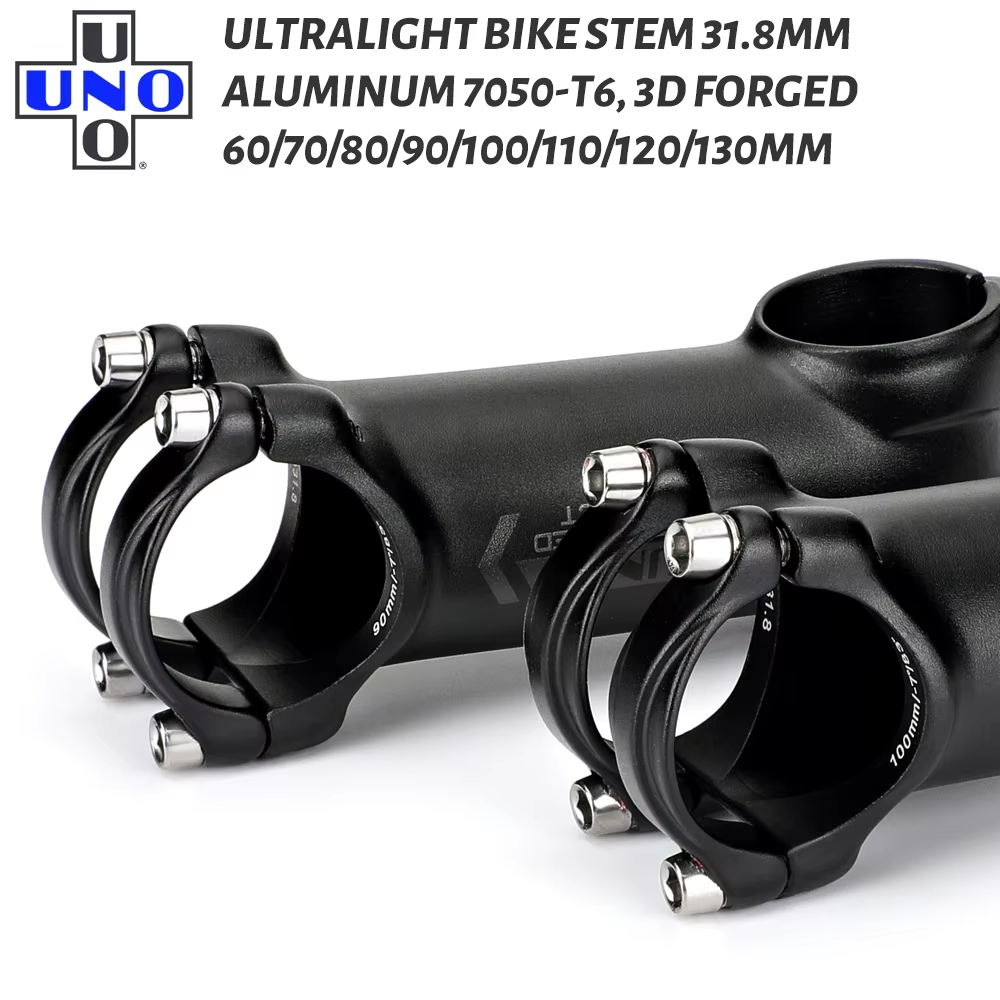
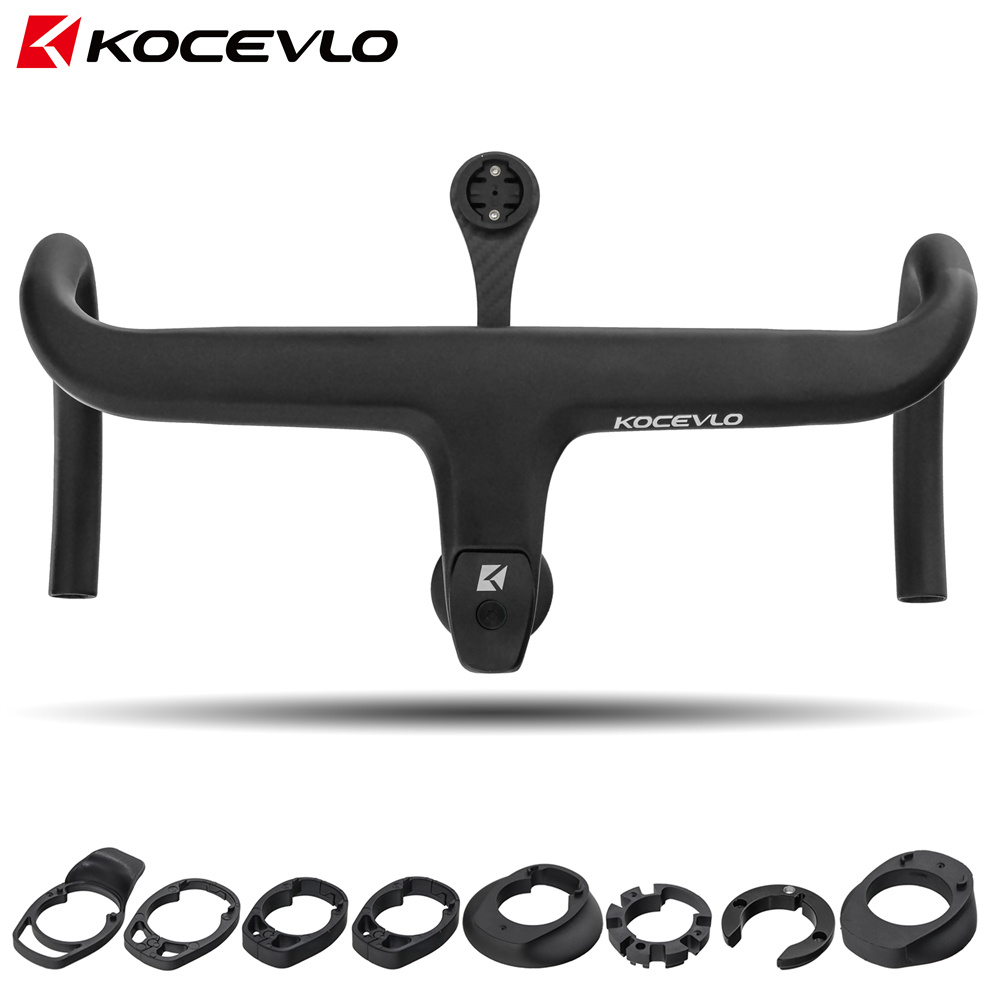
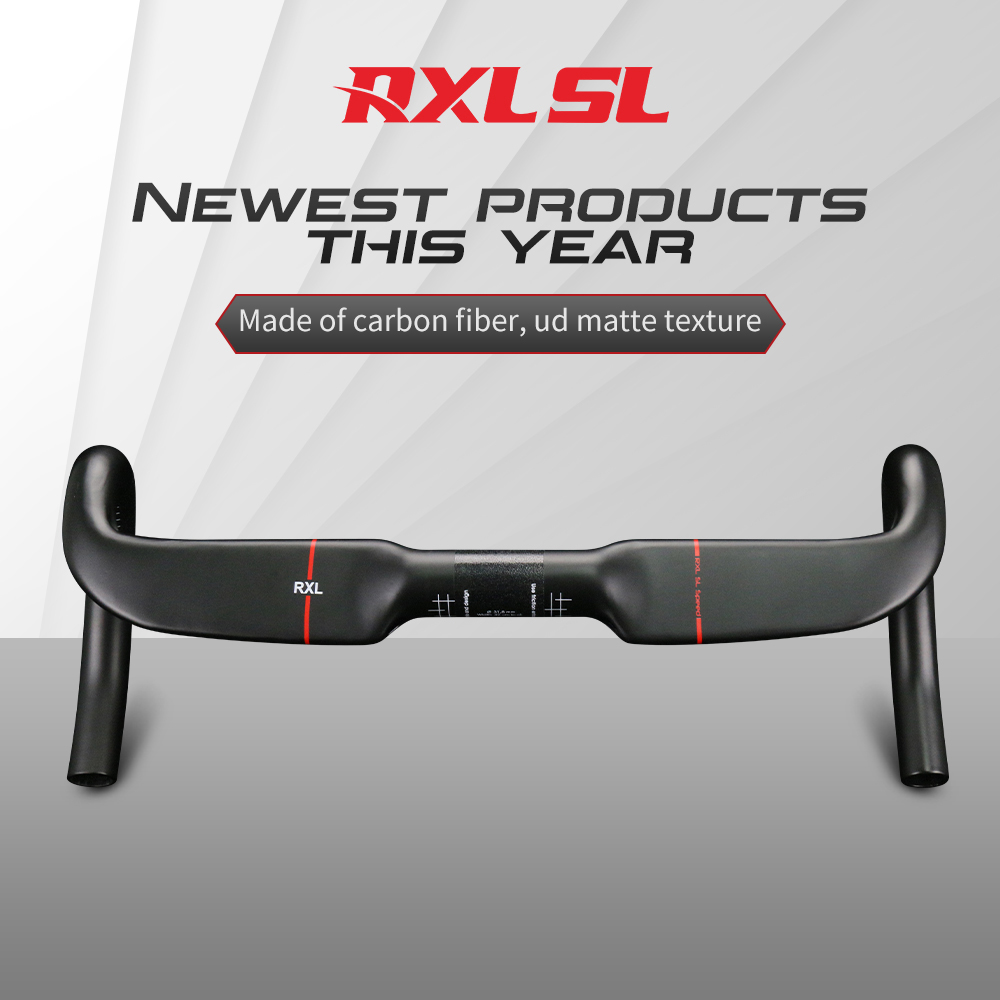
Bars, stems & bar tape
 >
>
/
 >
>
/
 >
>
/
Stem Comparison Tool — Reach & Rise Calculator
Frequently Asked Questions
What is stem reach?
▾
Reach is the horizontal distance from the steerer clamp center to the handlebar clamp center. Because stem angle is measured from a line perpendicular to the steerer tube, actual horizontal reach depends on the head tube angle: a 100mm −6° stem on a 73° head tube reaches about 98mm forward, not 100mm. A longer reach stretches you out more; a shorter reach brings you upright. This is the most influential stem dimension for bike fit.
What is stem rise?
▾
Rise is the vertical distance from the steerer clamp center to the handlebar clamp center. Because the steerer leans back (17° from vertical on a 73° head tube), even a −6° road stem still rises about +19mm above the clamp — the bars only drop below it once the stem angle passes about −17°. This affects your torso angle and lower-back load. Rise does not account for spacers under the stem — add those separately.
What does “flip the stem” mean?
▾
Most threadless stems can be mounted upside-down on the steerer. Flipping inverts the angle: a −6° stem becomes effectively +6°, which on a 100mm stem at a 73° head tube raises the bars about 20mm and shortens reach about 6mm. This is a free adjustment — no new parts needed, just an allen key. Use the flip toggle above to compare both orientations.
How do I use this tool for bike fitting?
▾
Enter your current stem in Setup A, then adjust Setup B with a stem you're considering. The visualization overlays both stems to the same scale from the same origin. The delta table shows the exact change in reach and rise — e.g., on a 73° head tube, switching from a 100mm −6° to a 110mm −6° stem adds +9.8mm reach and +1.9mm rise.
How much reach change is meaningful?
▾
As a rule of thumb, most riders can feel a difference of ≥5mm in reach. A 10mm change is significant — you will notice it in how the bike handles and where your weight sits. Changes under 3mm are typically undetectable in normal riding, though they matter for precision fitting in competition. Rise changes are less sensitive: the same 10mm vertical shift is usually less noticeable than 10mm of horizontal reach.
Typical Stem Length & Angle by Discipline
Stem length and angle vary a lot by discipline because the priority shifts from aero/aggressive (road race) to comfort (endurance, gravel) to steering precision (MTB). Use these ranges as a starting point in the calculator above, then fine-tune from your current setup.
| Discipline | Typical length | Typical angle | Why |
|---|---|---|---|
| Road race | 90–120mm | −6° to −17° | Longer, steeper-drop stems stretch the torso for a lower, more aerodynamic position. |
| Road endurance | 80–100mm | −6° to −10° | Slightly shorter and less negative than race setups, trading a bit of aero for all-day comfort. |
| Gravel / adventure | 70–90mm | 0° to −6° | Shorter reach and flatter angle keep handling stable and predictable on loose, uneven surfaces. |
| MTB XC / down-country | 60–90mm | −6° to 0° | Still a fairly long, low front end for efficient climbing and pedaling position. |
| MTB trail / enduro | 35–60mm | 0° to +10° | Modern long-reach frames pair with short, slightly rising stems for quick, stable steering on descents. |
| MTB downhill | 35–50mm | 0° | Shortest, flattest stems maximize steering leverage and stability at speed on rough terrain. |
These ranges assume a frame that already fits your rider size — stem length is a fine-tuning tool, not a substitute for correct frame sizing. If you need to go outside these ranges by more than ~20mm to get comfortable, the frame is likely the wrong size, not the stem.